
15 Timeless Kitchen Designs That Never Go Out of Style
INTERIOR DESIGN
Allison W.
10/23/2025
You know that feeling when you're scrolling through kitchen inspiration photos, seeing all these gorgeous trendy designs, and you start wondering... will I still love this in ten years? I've been there! When I was planning my own kitchen updates, I kept second-guessing every decision because I didn't want to invest in something that would look dated before I'd even paid it off.
Here's what I realized: trendy kitchens might look amazing right now, but timeless kitchens look amazing forever. Remember when every kitchen was turquoise and gray? Or when thick granite with busy patterns was everywhere? Those trends came and went, but classic white Shaker cabinets, marble countertops, and subway tile? They've been beautiful for decades and will continue to be beautiful for decades more.
Timeless doesn't mean boring—it means choosing design elements that have proven their staying power. It's about creating a foundation of classic beauty that you can personalize with accessories, textiles, and touches that reflect your style.
I've pulled together 15 timeless kitchen designs that incorporate elements which never go out of style. From cabinet styles to color palettes to layouts that just work, these ideas will help you create a kitchen that's as beautiful in 2045 as it is today. Ready to design a kitchen that stands the test of time? Let's dive in!
1. All-White Shaker Cabinets
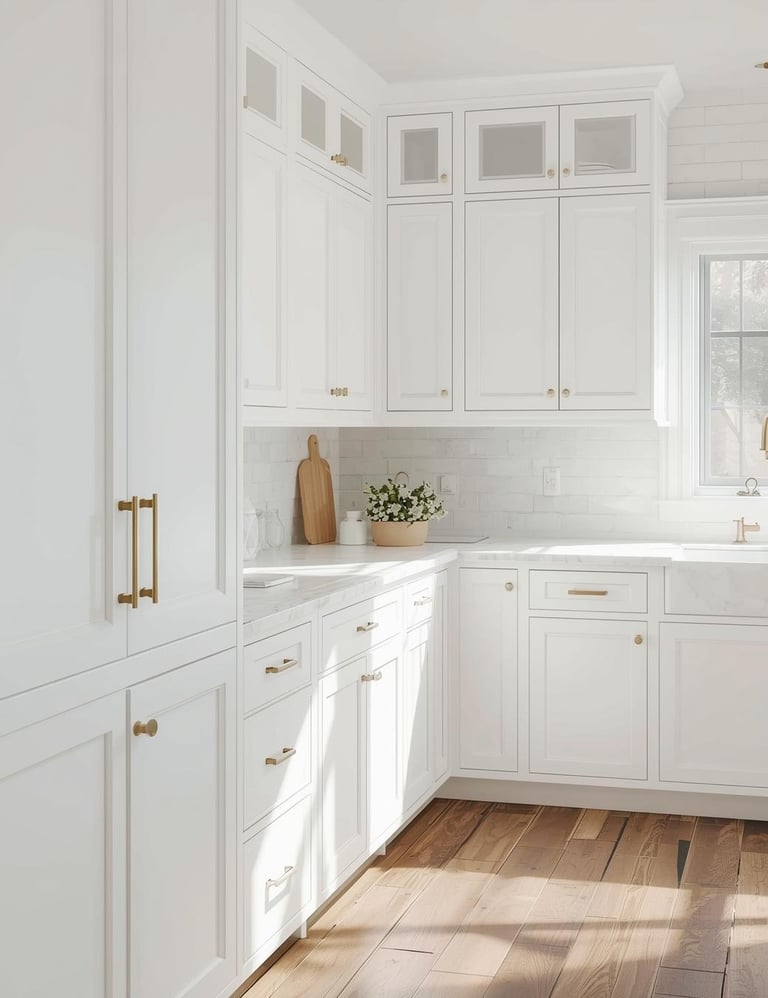
If there's one kitchen design element that's truly timeless, it's white Shaker cabinets. These classic cabinets have been around since the 18th century, and they're still going strong today—that should tell you something! I have white Shaker cabinets in my own kitchen, and I love how they create this clean, bright foundation that works with literally any style.
What makes Shaker cabinets so enduring? It's all about those clean lines and simple five-piece door design with a recessed center panel. There's no fancy detailing or ornate carvings that can look dated—just honest, beautiful simplicity. The style is versatile enough to work in traditional farmhouse kitchens, sleek modern spaces, cozy cottage styles, or anything in between.
White Shaker cabinets are also incredibly practical. They brighten your kitchen by reflecting light, making even small spaces feel larger and more open. They create a neutral backdrop that lets you play with other elements—colorful backsplashes, bold hardware, or statement lighting—without competing for attention.
Here's what I love about the versatility: you can completely change the look of your kitchen just by swapping hardware! Matte black pulls create a modern farmhouse vibe. Brass hardware adds warmth and elegance. Sleek chrome keeps things contemporary. The cabinets stay the same, but the whole aesthetic shifts with simple hardware changes!
2. Marble Countertops
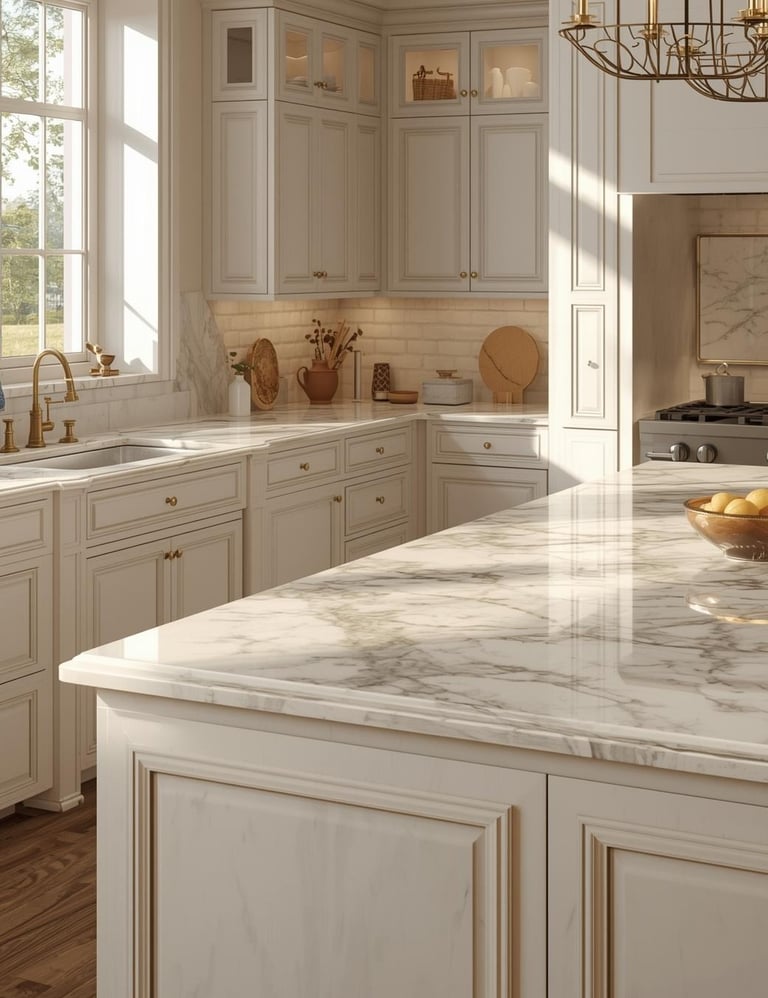
Marble countertops have been a symbol of luxury and beauty for literally centuries, and there's a reason they're still considered the gold standard today. I'll be honest—when I was choosing countertops, I hesitated on marble because of all the maintenance warnings. But here's what I learned: natural materials like marble age beautifully and develop character over time, which is exactly what makes them timeless.
The appeal of marble is undeniable. Each slab is completely unique with its own veining patterns—you're getting a one-of-a-kind piece of nature in your kitchen. The cool, smooth surface is naturally beautiful and adds instant elegance to any space. Whether you choose classic white Carrara with soft gray veining, dramatic Calacatta with bold veins, or creamy Statuario, marble brings that luxe feel that never goes out of style.
Now, let's talk practicality because marble does require some care. It's porous, so it needs to be sealed regularly. It can stain and etch from acidic foods like lemon juice or wine. But here's the thing—many people actually love how marble develops a patina over time. Those little etches and marks? They're part of the stone's story and character.
If you're nervous about maintenance, consider using marble on your island or a specific section rather than everywhere. You get that timeless beauty in a high-impact spot without worrying about your entire kitchen. The key is understanding that marble isn't about staying perfect—it's about aging gracefully and beautifully!
3. Subway Tile Backsplash
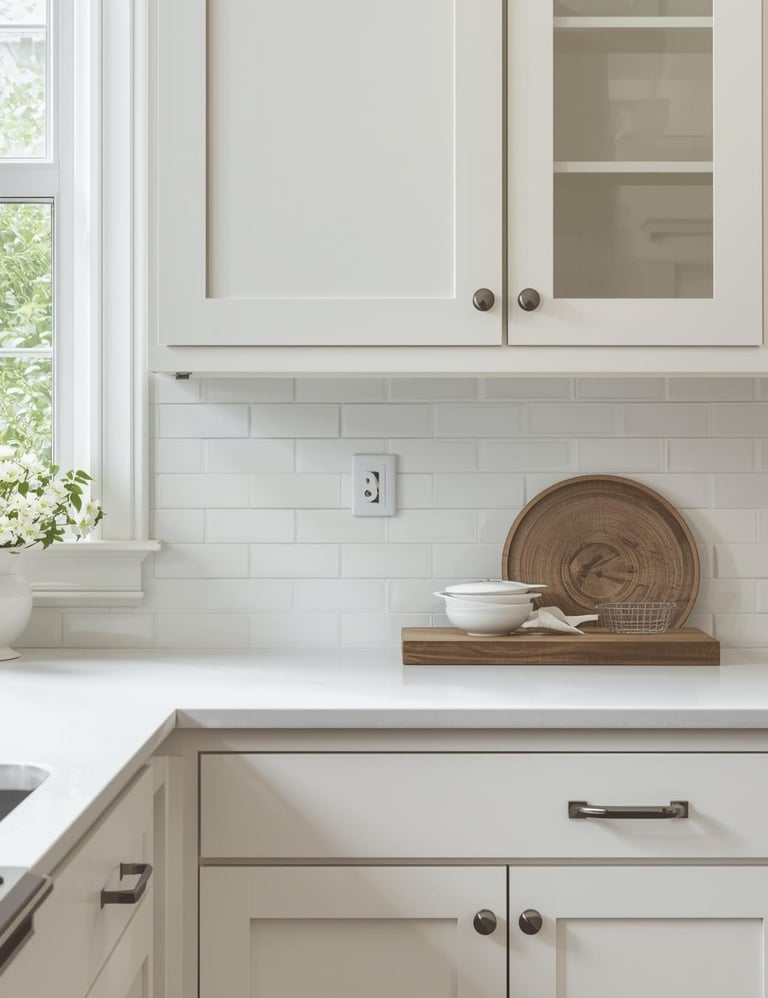
There's a reason subway tile has been a kitchen staple for over a century—it's simple, clean, versatile, and works with absolutely every style imaginable. The name comes from the tiles used in New York City subway stations in the early 1900s, and if that doesn't prove staying power, I don't know what does! I have classic white subway tile in my kitchen, and I love how it creates this clean backdrop that never competes with anything else.
What makes subway tile so timeless? It's the perfect balance of visual interest without being busy. The rectangular shape (typically 3x6 inches) creates subtle lines and texture without overwhelming your space. It's understated elegance at its finest—you notice the overall effect without the tile demanding attention.
The versatility is incredible too! You can install subway tile in the classic brick pattern (offset by half) for that traditional look. Try herringbone for added visual interest. Vertical stack creates a modern vibe. Even the simple grid pattern works beautifully. Same tile, completely different feels depending on layout.
While white is the most classic choice (and my personal favorite), subway tile works in other colors too. Soft gray, cream, or even sage green can still feel timeless if you stick with muted, neutral tones. The key is avoiding trendy colors that'll date your kitchen.
The practical benefits seal the deal: subway tile is affordable, easy to find at any tile store, simple to clean, and durable. If a tile cracks, replacements are readily available. It's the ultimate low-maintenance, high-impact, never-goes-out-of-style choice!
4. Neutral Color Palette
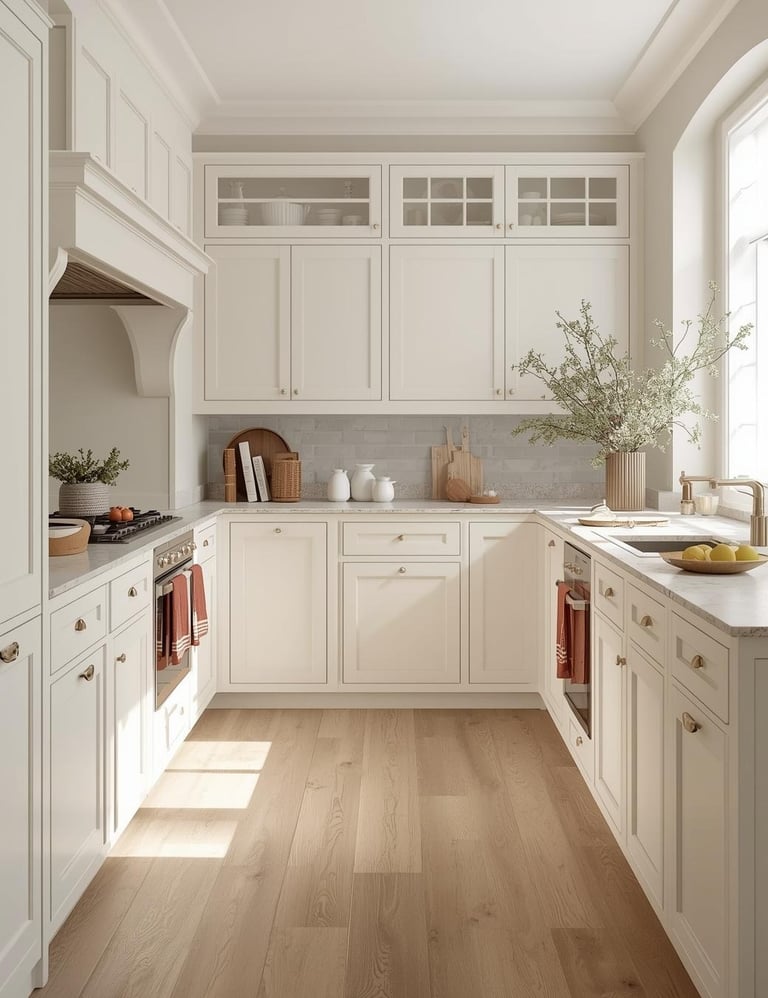
If you want a kitchen that stands the test of time, a neutral color palette is your foundation. I'm talking about those soft, calming colors that never feel dated—whites, creams, warm beiges, soft grays, and gentle taupes. These aren't boring colors; they're the sophisticated backdrop that lets everything else in your kitchen shine without the risk of looking trendy in five years.
The beauty of a neutral palette is how it creates a calm, cohesive space that feels open and airy. Bright whites make kitchens feel larger and cleaner. Warm creams add coziness without sacrificing light. Soft grays bring sophistication. The key is choosing neutrals with the right undertones for your space—warm neutrals (beiges, creams, greiges) feel cozy and inviting, while cool neutrals (true grays, crisp whites) feel fresh and modern.
Here's what I love most: a neutral base gives you incredible flexibility to add personality through accessories that are easy to change. Your cabinets and walls are neutral, so you can swap in colorful dish towels, vibrant flowers, patterned rugs, or seasonal decor without anything clashing. When you get tired of one look, just change the accessories—not your entire kitchen!
Layering different shades of neutrals is where the magic happens. Maybe you have white cabinets, cream walls, gray countertops, and warm wood floors. The variety in tones creates depth and visual interest while staying completely timeless. It's sophisticated without trying too hard, and it will never, ever go out of style!
5. Hardwood Flooring
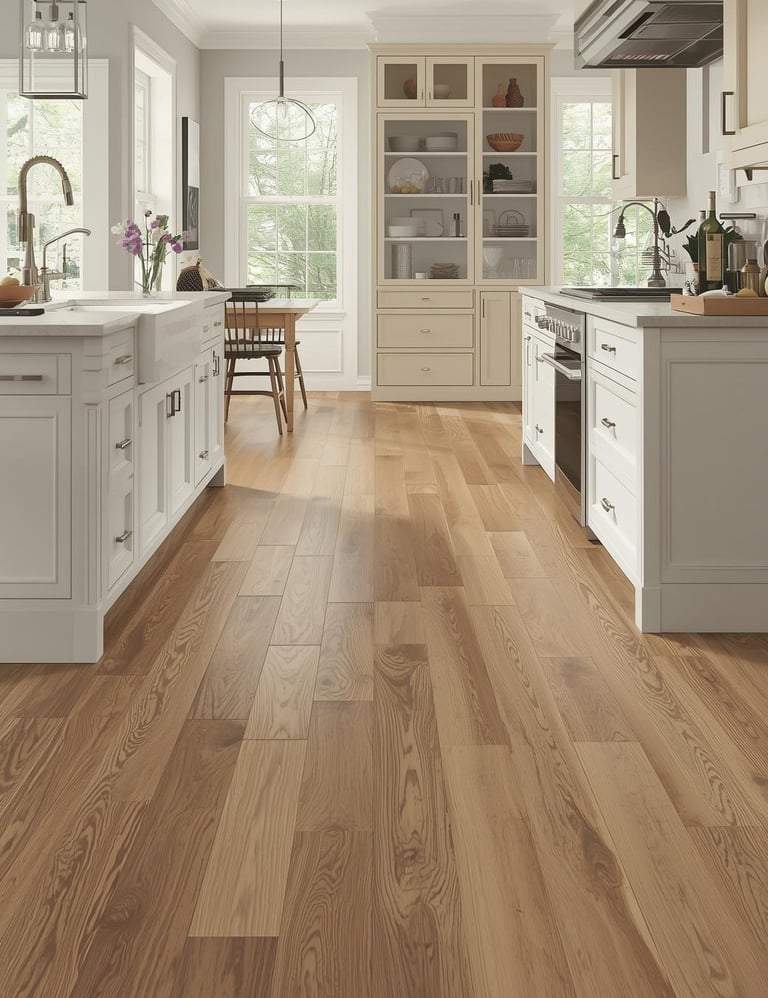
Hardwood floors have been the gold standard for beautiful, timeless flooring for hundreds of years, and that's not changing anytime soon. I absolutely love hardwood in kitchens because it brings warmth, natural beauty, and a quality that you can literally feel underfoot. Unlike trendy flooring materials that come and go, hardwood just gets better with age.
The appeal of hardwood is all about that natural, organic beauty. Real wood has grain patterns, color variations, and character that synthetic materials just can't replicate. Whether you choose classic oak (the most popular and versatile), rich maple, or rustic hickory, you're getting a floor that adds warmth and grounds your entire kitchen design.
One of the best things about hardwood? It can be refinished! Unlike tile or vinyl that needs to be completely replaced when it's damaged or you want a new look, hardwood can be sanded down and refinished multiple times over its lifetime. That means your floors can literally last generations. Talk about a timeless investment!
For kitchen hardwood, consider the finish and plank width. Natural or lightly stained wood feels classic and shows the wood's true character. Medium-toned stains add richness without going too dark (which can show every crumb!). Wide planks feel more modern and relaxed, while narrower planks are traditionally classic. Both work—it's just about your preference.
The warmth that hardwood brings to a kitchen is incomparable. It softens all those hard surfaces like cabinets, countertops, and appliances. It connects your kitchen to the rest of your home if you have hardwood throughout. And honestly? It just feels good to walk on—cozy, natural, and timelessly beautiful!
6. Farmhouse Sink
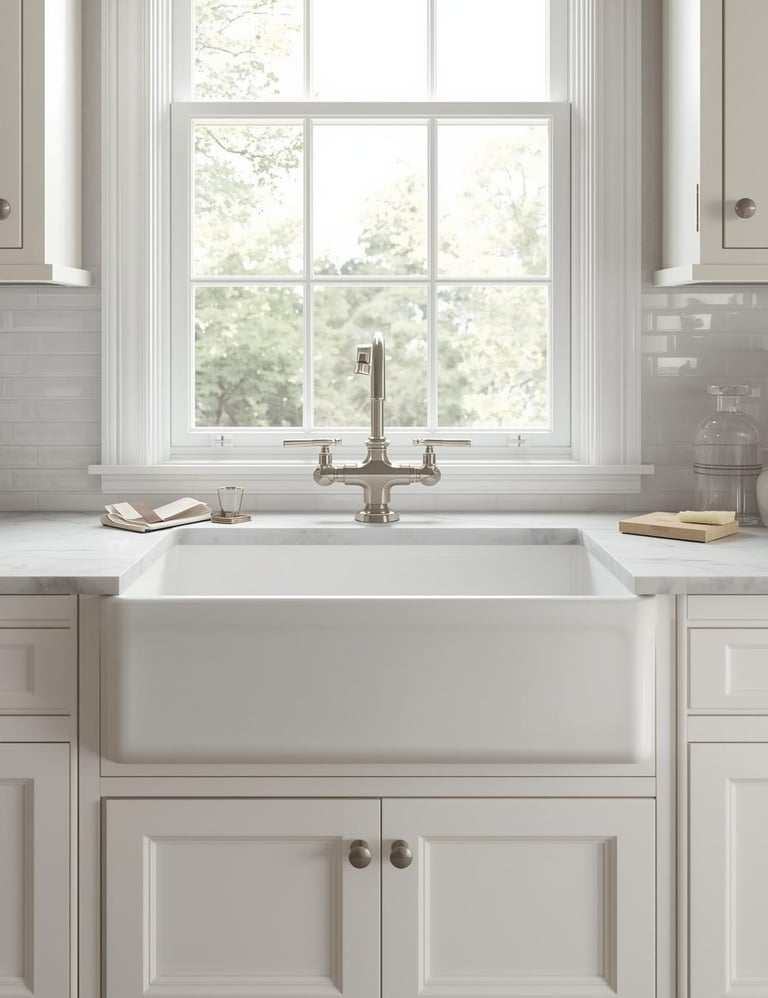
Farmhouse sinks (also called apron-front sinks) are one of those classic kitchen elements that have been around for generations and show no signs of going anywhere. I love how they make such a beautiful statement while being incredibly practical. There's something so satisfying about that deep, wide basin and that signature exposed front panel—it's both functional and gorgeous!
The history of farmhouse sinks is what makes them truly timeless. They originated in rural homes where practicality was paramount—farmers needed deep sinks for washing large pots, vegetables from the garden, and yes, even small children! That practical heritage is part of what makes them so enduring. They weren't designed to be trendy; they were designed to work, and beautiful functionality never goes out of style.
What I love most about farmhouse sinks is their versatility. You might think they only work in farmhouse-style kitchens, but they actually look stunning in traditional, transitional, and even modern spaces. A white fireclay farmhouse sink feels classic and cottage-like. A stainless steel version leans more contemporary and industrial. Cast iron offers durability with that vintage appeal.
The practical benefits are real too! That extra-deep basin means you can fit big pots, baking sheets, and oversized items that would never fit in a standard sink. The front apron design means you can stand closer to the sink without the counter edge digging into you—so much more comfortable for your back during long meal prep or cleanup sessions!
If you're worried about commitment, don't be. Farmhouse sinks have been popular since the 1800s, and they're still going strong. That's two centuries of proof that this design isn't going anywhere!
7. Open Shelving (Used Sparingly)
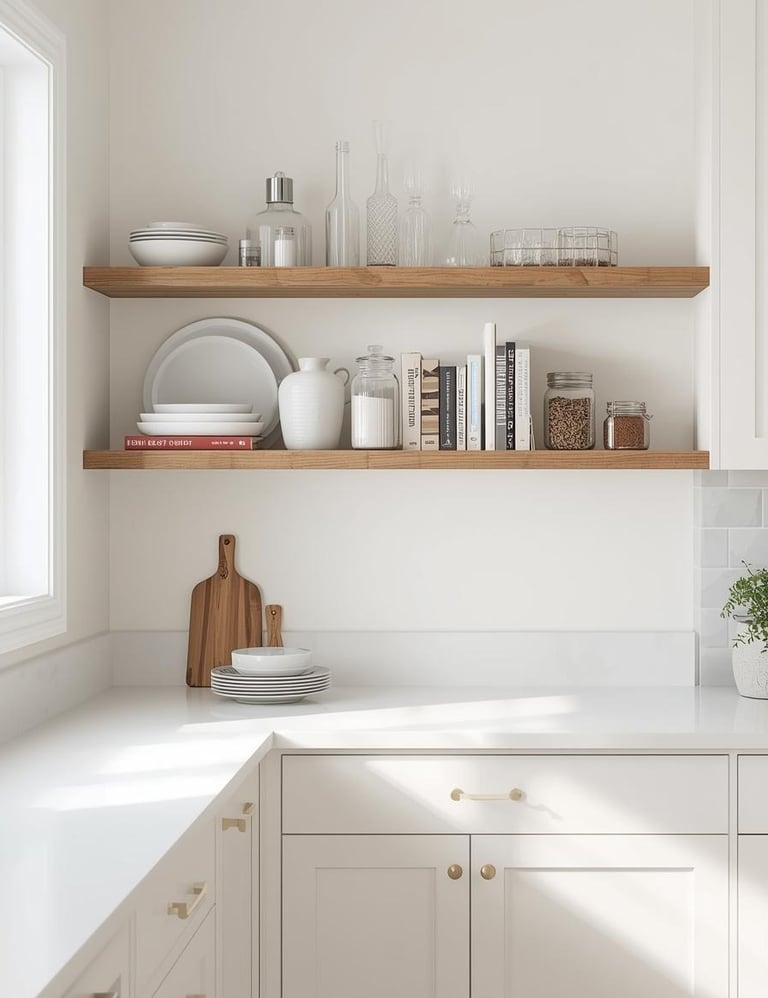
Open shelving has been a kitchen design element for as long as kitchens have existed—literally! Before built-in cabinets became standard, people stored their dishes and essentials on open shelves. The key to making open shelving feel timeless rather than trendy is using it sparingly and intentionally, not replacing all your cabinets with it.
I have two floating shelves flanking my kitchen window, and they're one of my favorite features. They display my everyday white dishes, a few cookbooks, and some pretty glassware—things I actually use but that also look nice. That's the secret: open shelving works when it's both functional and beautiful, not just for show.
Here's what makes open shelving timeless when done right: it creates visual lightness and openness in a way that upper cabinets can't. It lets you display items with personality—your grandmother's vintage dishes, beautiful glassware, or a collection of white pottery. It makes your kitchen feel less like a closed-off work zone and more like a lived-in, welcoming space.
The key is balance. Don't make everything open shelving or your kitchen will feel chaotic and you'll have nowhere to hide the mismatched plastic containers! Use open shelves strategically—maybe flanking a window, on one wall, or replacing just the upper cabinets in one section. Keep the majority of your storage in closed cabinets for all the everyday stuff that doesn't need to be on display.
What to display? Stick with items you use regularly so you're not just creating dust collectors. Everyday dishes and bowls, pretty glassware, coffee mugs, cookbooks, cutting boards, or even attractive dry goods in matching jars. The styling should look effortless and functional, not perfectly curated like a showroom!
8. Classic Black and White Palette
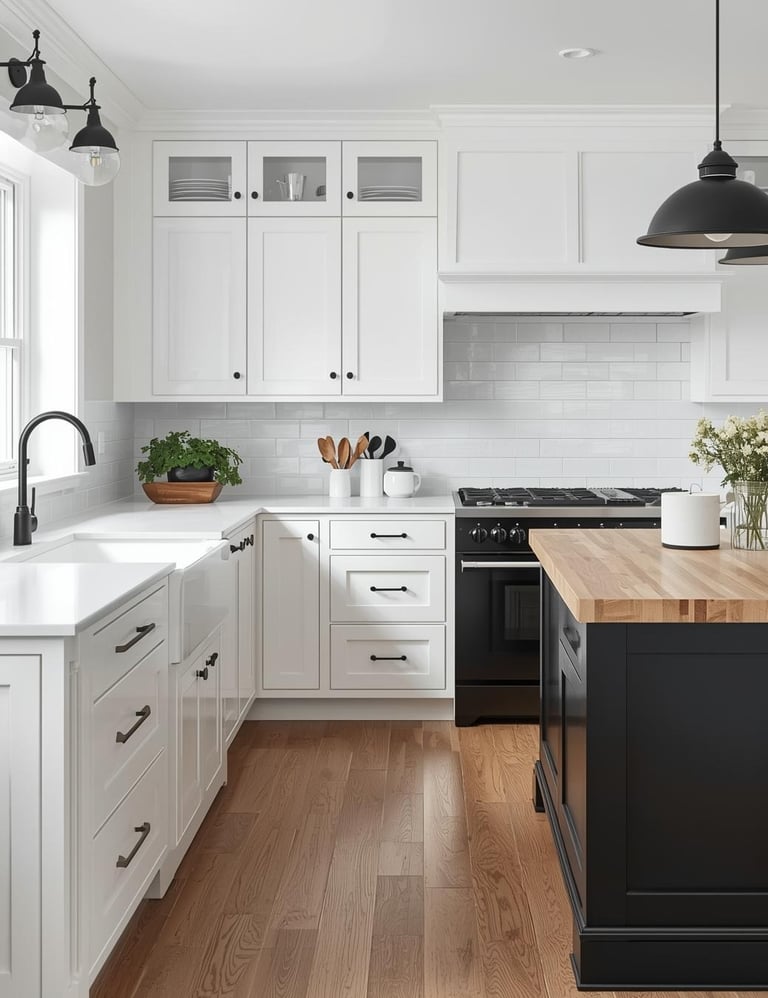
The combination of black and white in kitchen design is as timeless as it gets—it's been elegant and sophisticated for decades and will continue to be for decades more. There's something about that high-contrast pairing that just works, creating visual interest and drama without ever feeling dated or trendy.
I love how versatile the black and white palette is! You can go bold with a striking black island against white perimeter cabinets. You can keep it subtle with white cabinets and black hardware and fixtures. You can create pattern with black and white tile floors. The contrast is what makes it interesting, and you get to control how much drama you want.
The key to making black and white feel timeless rather than stark is finding the right balance. Too much white can feel sterile and cold. Too much black can feel heavy and dark. The sweet spot is usually a foundation of white (cabinets, walls, backsplash) with black accents (hardware, light fixtures, bar stools, window frames) or a statement black element like an island or range hood.
Here's where it gets really good: adding warmth through natural elements. Black and white alone can feel a bit cold, but when you bring in wood tones—hardwood floors, butcher block countertops, wooden bar stools, or even wood shelving—suddenly the space feels warm and inviting while maintaining that classic high-contrast appeal.
Hardware is a huge part of this look. Matte black cabinet pulls and knobs against white cabinets create that perfect contrast. Black faucets, black pendant lights, and black window frames add to the cohesive look. It's crisp, it's clean, it's sophisticated, and it will never go out of style!
9. Butcher Block Countertops or Island Top
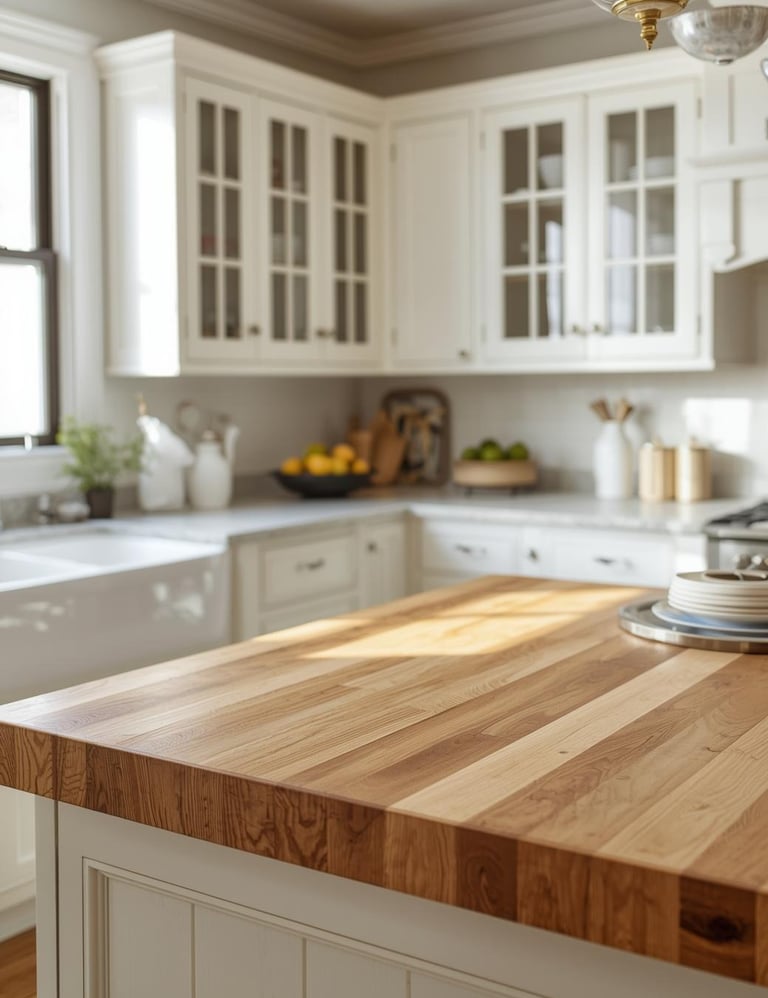
Butcher block countertops bring warmth, character, and natural beauty to kitchens in a way that feels both practical and timeless. Real wood surfaces have been used in kitchens for centuries—literally since kitchens existed—and there's something so grounding and inviting about incorporating that natural material into your countertops.
I'll be honest—I was intimidated by butcher block at first because of maintenance concerns. But here's what I learned: wood is actually easier to care for than you might think, and it develops this gorgeous patina over time that adds character rather than looking worn out. It's a living material that tells the story of your kitchen, and that's part of its timeless appeal.
The most common approach is using butcher block on your kitchen island while keeping more durable materials like marble or quartz on your perimeter counters. This gives you that warm, natural element without worrying about it near your sink or stove where water and heat are constant. An island with a butcher block top becomes this beautiful, functional workspace that softens an all-white kitchen and adds organic warmth.
Butcher block works with every style too! It feels rustic and farmhouse-appropriate, but it also works beautifully in modern kitchens for that Scandinavian warmth. In traditional kitchens, it adds a collected, timeless quality. The natural wood just plays well with everything.
Maintenance is simpler than you'd think: regular oiling keeps the wood nourished and protected, and minor scratches or stains can be sanded out. The key is embracing the fact that wood is meant to be used and will show signs of life—and that's beautiful! It ages gracefully in a way that synthetic materials never can.
10. Simple Crown Molding
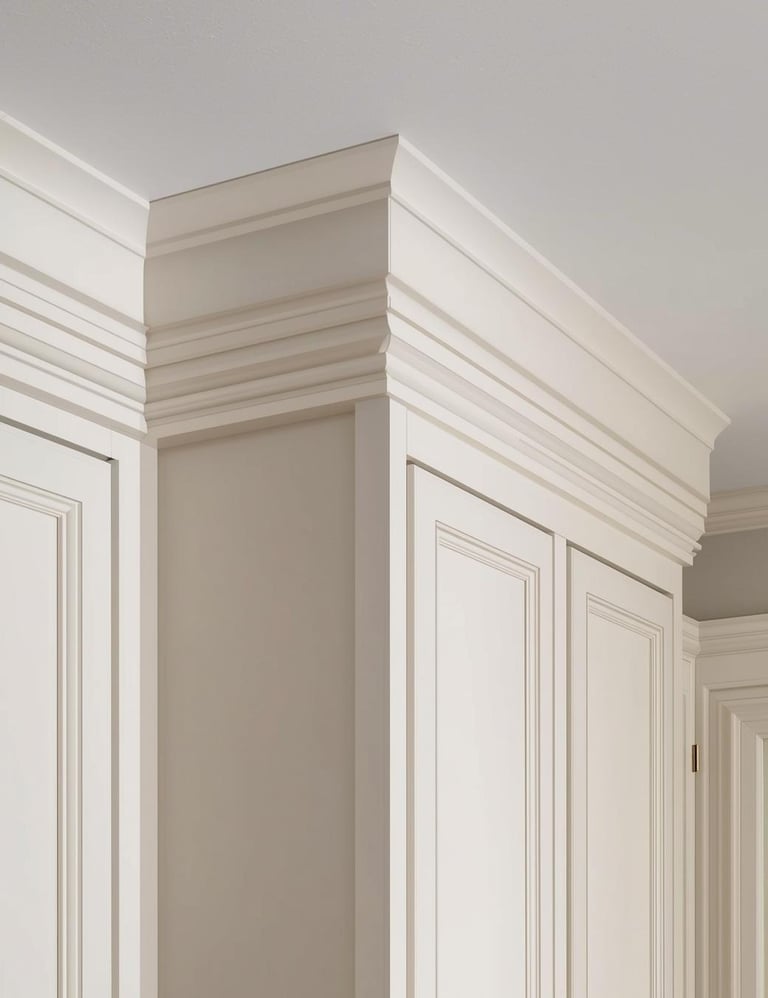
Crown molding might seem like a small detail, but it's one of those architectural elements that adds polish and elegance to a kitchen in a subtle, timeless way. The key word here is simple—we're not talking about elaborate, ornate molding that screams a specific era. We're talking about clean, classic profiles that have been making spaces feel more finished for centuries.
I added simple crown molding to the top of my kitchen cabinets, and it made such a difference in how complete and intentional the space feels. Before, my cabinets just kind of... stopped at the ceiling. Now, there's this elegant transition that makes everything feel more custom and thoughtfully designed.
Crown molding works because it's architectural detail that's been around forever. Georgian homes had it. Victorian homes had it. Craftsman homes had it. Modern farmhouses have it. When done with restraint and classic proportions, it transcends specific design eras and just feels right.
Where to add crown molding in your kitchen? The most common spot is at the top of your cabinets, creating a beautiful transition between cabinetry and ceiling. You can also add it around the ceiling perimeter of your kitchen, or as a detail around windows. The key is choosing profiles that are elegant but not fussy—simple, clean lines rather than multiple complex curves.
Proportion matters! Your crown molding should be sized appropriately for your ceiling height and cabinet size. In a kitchen with 8-foot ceilings, a 3-4 inch crown is usually perfect. Higher ceilings can handle slightly larger profiles. When in doubt, simpler and slightly smaller is better than oversized and ornate—you want elegant detail, not a costume!
11. Stainless Steel Appliances
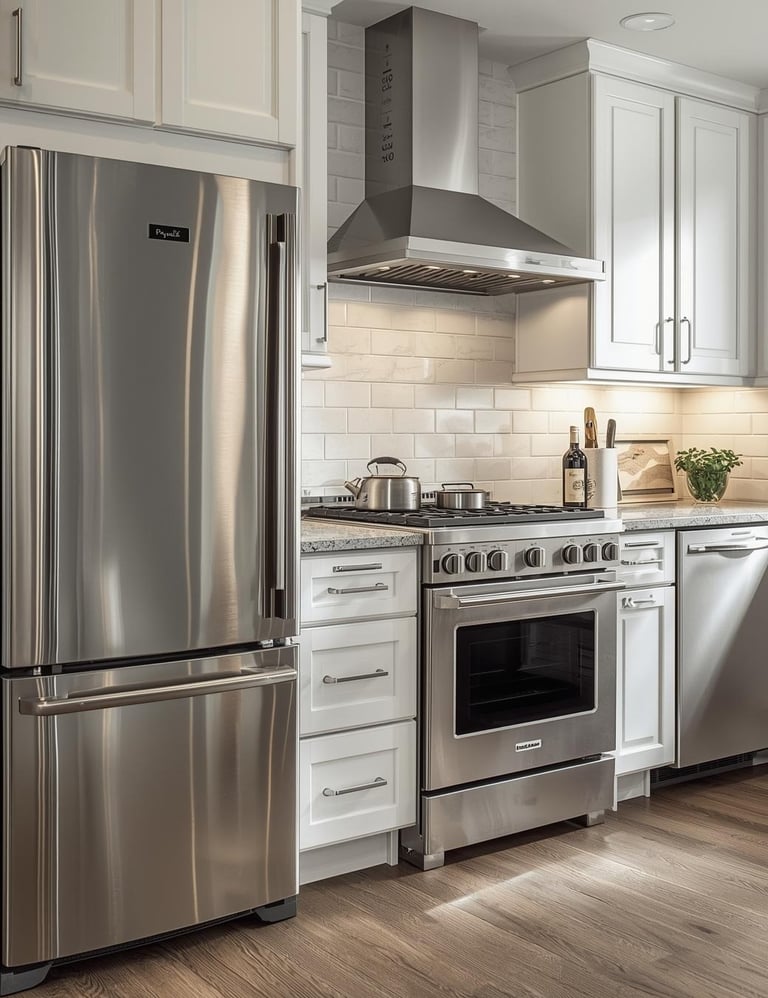
Stainless steel appliances have been the go-to choice for kitchens for decades now, and there's a reason they've maintained that staying power—they're clean, professional-looking, and work with absolutely every kitchen style and color scheme. I remember when stainless steel first became popular in home kitchens (bringing that restaurant-quality look home), and unlike so many trends, this one stuck because it just makes sense.
What makes stainless steel so timeless? It's that perfect balance of looking modern and professional without being trendy. Whether your kitchen is traditional, farmhouse, contemporary, or transitional, stainless appliances fit right in. They don't compete with your design choices; they complement them. That neutral metallic finish works with white cabinets, dark cabinets, colorful backsplashes, or any countertop material you choose.
The practical benefits are real too. Stainless steel is durable, resists heat and stains, and with proper care, maintains its appearance for years. Yes, it shows fingerprints (especially if you have kids!), but regular wiping with a microfiber cloth keeps it looking good. Many newer models also have fingerprint-resistant finishes that make maintenance even easier.
Now, if you prefer a more seamless look, panel-ready appliances are another timeless option where your appliances are hidden behind cabinet panels. But if you're going with visible appliances, stainless steel is the safest, most enduring choice.
Here's the thing: when you're investing in major appliances that you'll have for 10-15 years or more, you want finishes that won't look dated. Remember when everyone had almond or bisque appliances? Or when black appliances were the thing? Stainless has outlasted all those trends and continues to feel current and appropriate. That's the definition of timeless!
12. Simple Pendant Lighting
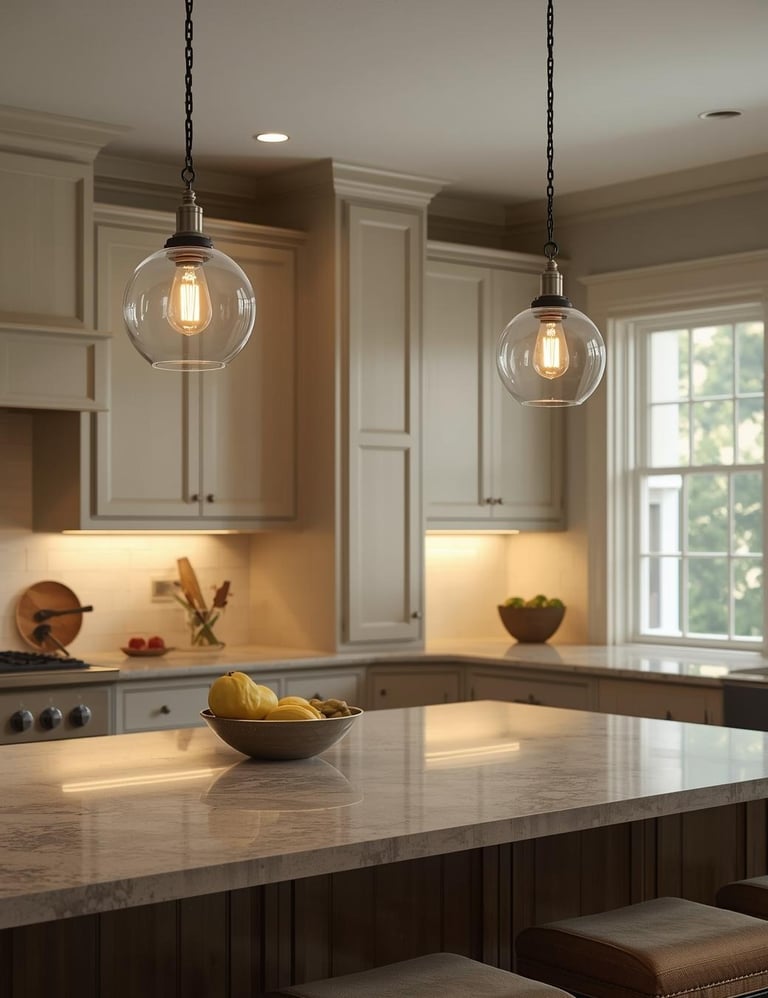
Pendant lights over your kitchen island or dining table are both functional and beautiful, and when you choose simple, classic designs, they become a timeless element rather than a trendy statement. I hung three glass globe pendants over my island, and I love how they provide task lighting exactly where I need it while adding that finishing touch to the space.
The key to timeless pendant lighting is simplicity. Avoid overly trendy shapes, finishes, or styles that scream a specific moment in time. Instead, look for clean lines, classic materials, and shapes that have been around for decades. Glass pendants, simple metal shades, schoolhouse lights, and basic drum shades all fall into this category—they're interesting without being attention-grabbing.
Materials matter when choosing timeless pendants. Clear or seeded glass feels classic and lets the light shine through beautifully. Metal in finishes like brushed nickel, matte black, brass, or bronze works with various styles and won't date quickly. Simple linen or fabric drum shades add softness while staying neutral. What to avoid? Overly ornate designs, trendy geometric shapes, or finishes that feel too of-the-moment.
Scale and placement are important too! Your pendants should be proportioned to your island size—not too small that they look lost, not so large they overwhelm. Typically, pendants should hang 30-36 inches above your island surface, and if you're using multiple pendants, space them evenly. Three pendants over a standard island is common, but two larger ones can work beautifully too.
The lighting itself should be warm and inviting. Choose bulbs around 2700K-3000K for that golden, welcoming glow. Your pendants provide focused task lighting for food prep and cooking while adding ambient light that makes the kitchen feel cozy and complete!
13. Large Kitchen Island
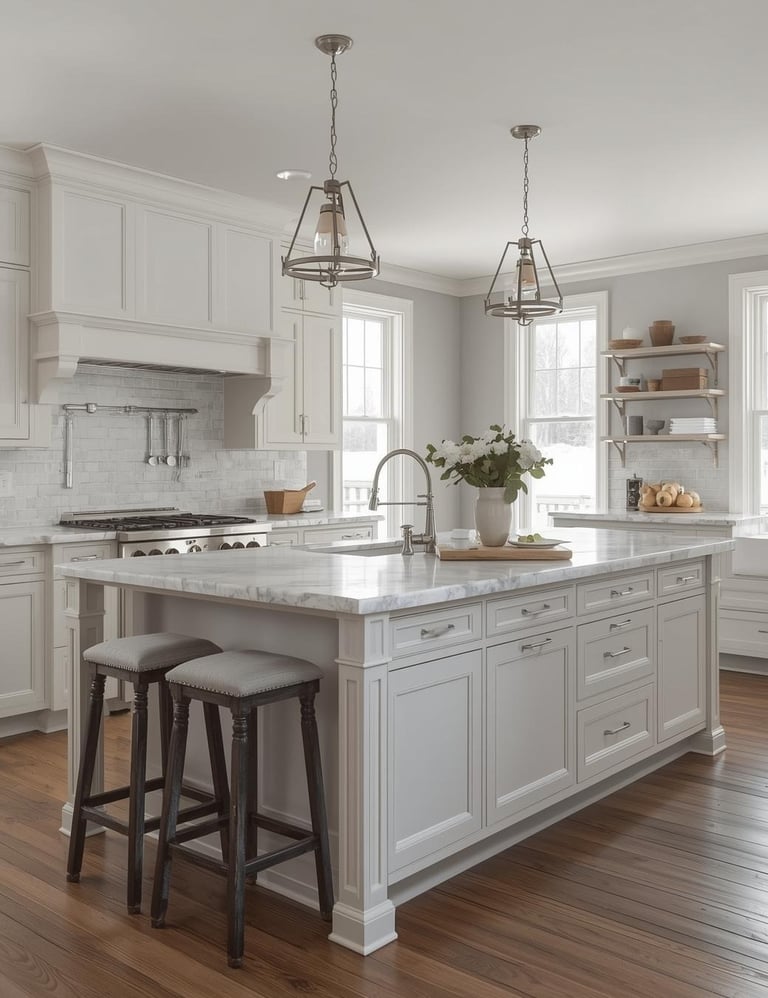
A large, functional kitchen island has become the heart of modern kitchens, and it's not going anywhere. Islands provide workspace, storage, seating, and a natural gathering spot—all things that make kitchens more functional and livable. I can't imagine my kitchen without the island; it's where I prep meals, where my family sits and chats while I cook, and where we gather for casual meals. It's truly the anchor of the space.
What makes a kitchen island timeless? It's all about keeping the design simple, classic, and functional rather than overly trendy. A large rectangular or L-shaped island with clean lines, classic cabinetry (like those Shaker-style cabinets we talked about!), and a durable countertop will never look dated. The island should feel like a natural extension of your kitchen, not a statement piece trying too hard.
The functionality is what makes islands so enduring. Storage underneath—whether it's cabinets, drawers, or a combination—maximizes your kitchen's capacity. Seating on one side creates that casual dining and gathering spot that modern families crave. Extra prep space means multiple people can cook together without bumping elbows. It's practical design at its finest, and practical never goes out of style.
Size matters, but proportion matters even more! Your island should be substantial enough to be useful but not so large that it crowds your kitchen or blocks the natural flow. You need at least 36-42 inches of clearance on all working sides for comfortable movement. If your kitchen can accommodate a large island (8-10 feet long), you've got room for seating, tons of storage, and ample workspace—the ultimate kitchen luxury!
Keep the styling timeless: choose the same cabinetry as your perimeter cabinets or a complementary finish (like a darker island with lighter perimeter cabinets). Top it with marble, butcher block, or quality quartz. Add simple bar stools with classic lines. Your island should feel like it's always been there, not like it's following a trend!
14. Quality Hardware in Classic Finishes
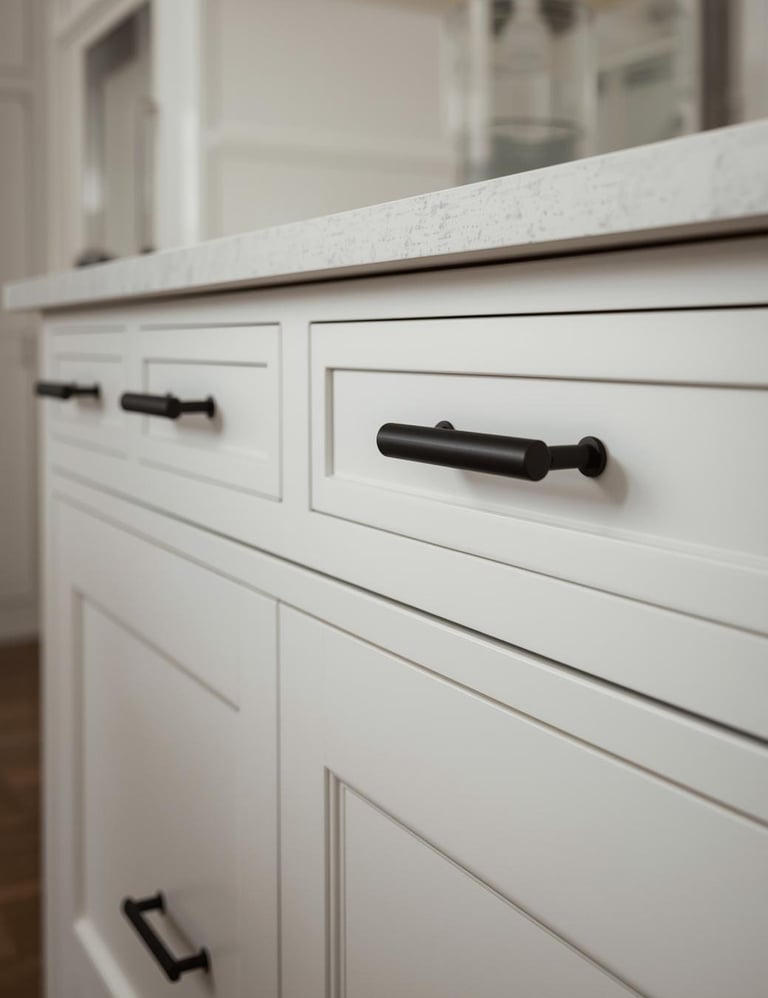
Cabinet hardware might seem like a small detail, but it's actually one of the most impactful elements in your kitchen—and one of the easiest ways to either date your space or keep it timeless. I spent way too long agonizing over hardware choices, but I'm so glad I did because choosing quality pieces in classic finishes means I won't need to replace them when trends change.
The key to timeless hardware is simplicity and quality. Think simple bar pulls, classic cup pulls, and understated knobs rather than overly decorative or trendy shapes. Clean lines and minimal design ensure your hardware won't look dated in five years. When in doubt, simpler is always better—let your hardware be functional and elegant, not a statement piece competing for attention.
Finishes matter enormously! Certain finishes have proven their staying power over decades. Brushed nickel is classic, versatile, and works with everything. Oil-rubbed bronze adds warmth and traditional elegance. Polished chrome is crisp and clean. Brass (especially unlacquered brass that develops patina) brings timeless warmth and is having a well-deserved resurgence. Matte black is modern yet classic and pairs beautifully with white cabinets.
What to avoid? Trendy finishes like rose gold, champagne bronze, or overly shiny gold that feels too "of the moment." Stick with finishes that have been around for decades and will continue to be appropriate for decades more. These classic finishes also have the benefit of being easy to find—if you need to add more hardware later or replace a piece, you won't be searching for a discontinued finish.
Quality matters too! Invest in solid metal hardware rather than cheap hollow pieces. Quality hardware feels substantial when you use it, operates smoothly, and lasts for years without tarnishing or breaking. It's one of those places where spending a bit more upfront saves you money and frustration long-term. Your cabinets get used multiple times every single day—the hardware needs to hold up!
15. Traditional Kitchen Work Triangle
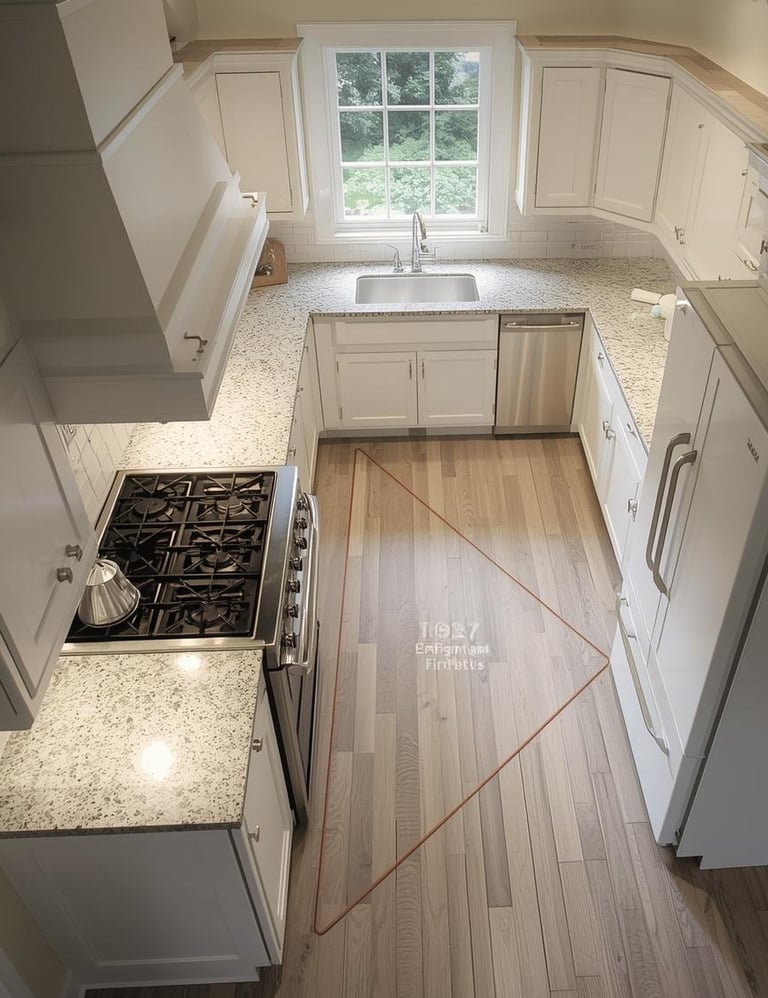
Let's end with something that's not about aesthetics but about timeless functionality—the kitchen work triangle. This layout principle has been a cornerstone of kitchen design since the 1940s, and it's still relevant today because it's based on how people actually move and work in kitchens. Good design is always timeless, and the work triangle is proof of that!
The concept is simple: your sink, stove, and refrigerator should form a triangle with each leg between 4 and 9 feet. This creates an efficient workflow where you're not running marathons between your major work areas but also not so cramped that you're bumping into everything. It's ergonomic design that reduces unnecessary steps and makes cooking more enjoyable.
Here's why this layout principle has endured for over 80 years—it just makes sense! Think about how you cook: you grab ingredients from the fridge, prep them at the sink, and cook them on the stove. That's your natural workflow, and the work triangle honors that by placing these three essential elements in an efficient relationship to each other.
Now, modern kitchens have evolved with open concepts and islands, but the work triangle principle still applies—it's just adapted. Your island might house your sink or cooktop, becoming part of the triangle. You might have multiple work zones in a larger kitchen. But the core principle of efficient placement between your major work areas remains timeless.
When planning or renovating your kitchen, honoring the work triangle doesn't mean sacrificing style or modern conveniences. It means creating a layout that's functional first, beautiful second—and functionality never goes out of style. A kitchen that works well will always be a kitchen you love, no matter what design trends come and go!
And there you have it, friend—15 timeless kitchen designs that will look just as beautiful in 20 years as they do today! From classic white Shaker cabinets and marble countertops to functional layouts and simple hardware, these elements have proven their staying power through decades of changing trends.
Here's what I hope you take away: timeless doesn't mean boring or safe—it means choosing design elements that have stood the test of time because they're inherently beautiful, functional, and versatile. When you invest in classic materials, simple lines, and quality craftsmanship, you're creating a kitchen that transcends trends and protects your investment.
You don't have to incorporate all 15 of these designs (that would be overwhelming!). Instead, choose the elements that resonate with your style and your budget. Maybe you start with white Shaker cabinets and classic hardware, then add marble countertops down the road. Or perhaps you focus on getting that functional layout right and keeping your color palette neutral. Whatever you choose, you're building a foundation that won't look dated when the next design trend comes along.
The beauty of timeless design is the freedom it gives you to add personality through easily changeable elements—colorful dish towels, seasonal flowers, artwork, or decorative accessories. Your classic foundation stays constant while you express your evolving style through the details.
Here's to kitchens that never go out of style—beautiful today, beautiful tomorrow, and beautiful for all the years in between. Trust in these classic design principles and create a kitchen you'll love forever!
*This page contains affiliate links. If you buy through them, I may earn a commission at no extra cost to you.